Why current solutions fall short
Most direct mail tools weren't built for neighborhood targeting, recurring service reminders, or CRM-driven automation.

List Building
Buying lists and managing print vendors is a part-time job.

Limited Targeting
Most mail platforms don't do EDDM (Every Door Direct Mail) or neighbor radius targeting.

Missed Follow-Ups
Service reminders fall through the cracks when scheduled manually.
Neighbor mailers
After every job, auto-send 50 to 200 postcards to homes within a quarter-mile radius. "Your neighbor at 1234 Oak just had their AC tuned up. Want yours next?"

Annual service reminders
AC tune-up in spring, furnace in fall. Triggered from job completion date plus 11 months.

Storm response
Trigger an EDDM blast by zip code after a weather event. "Roof damage from last night's storm? We're in your area this week

Invoices and statements
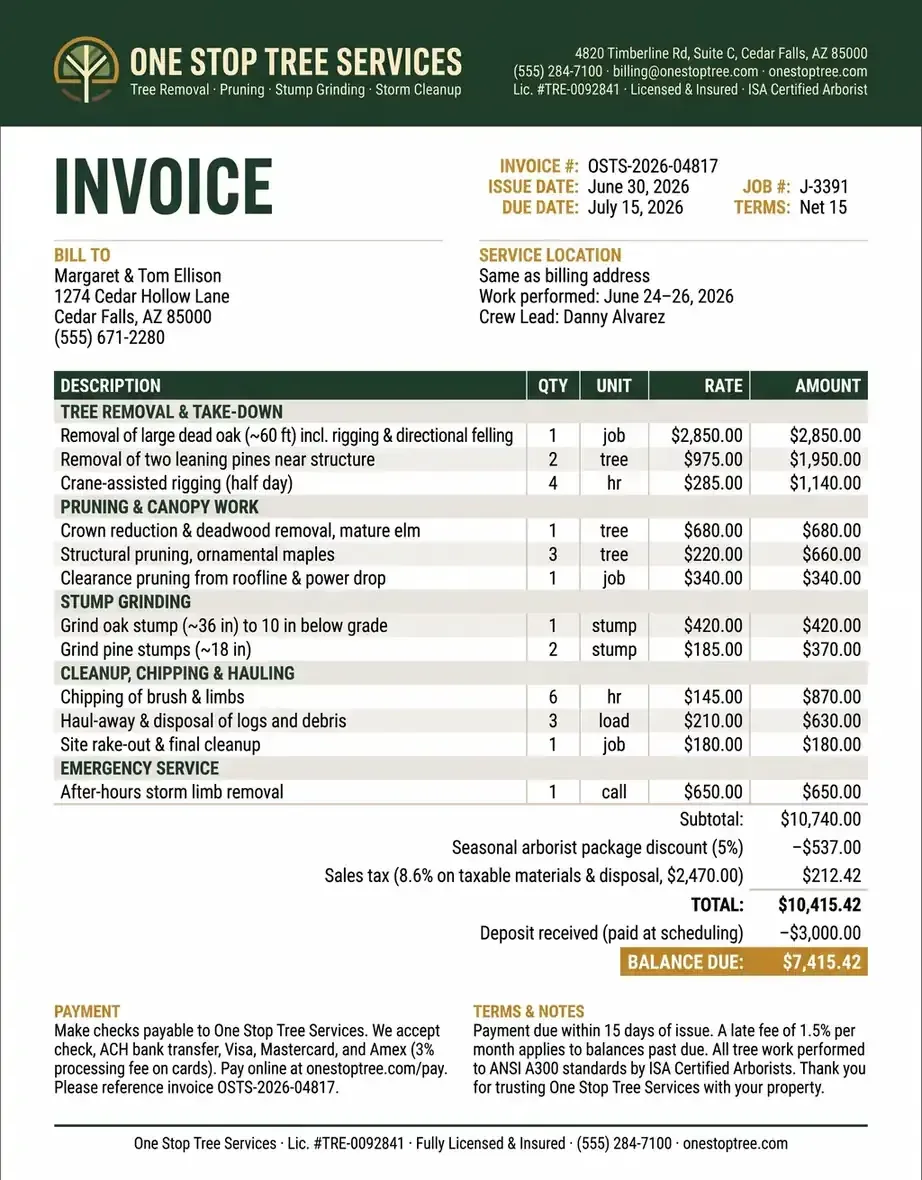
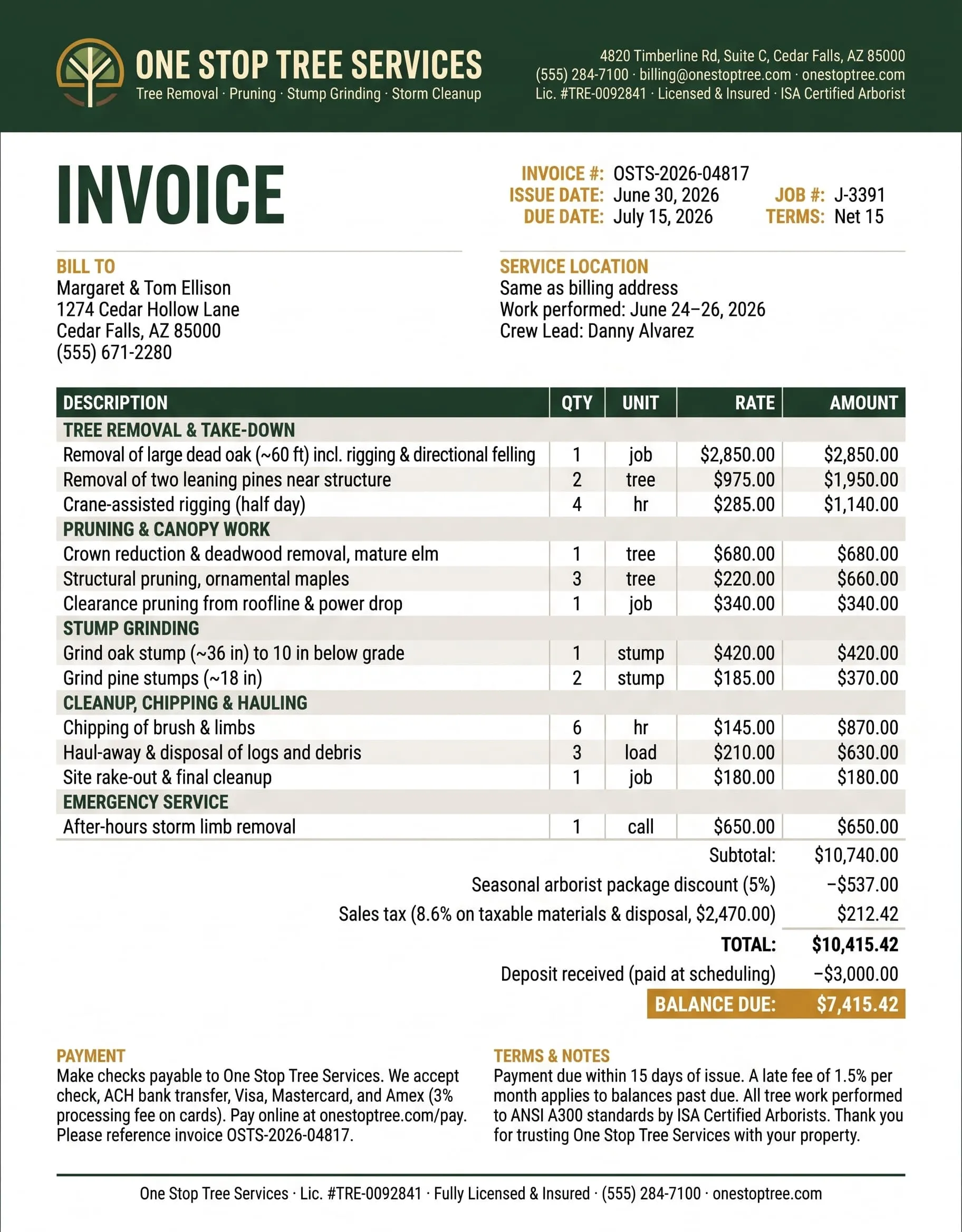
Print invoices straight from ServiceTitan, Housecall Pro, QuickBooks, or your accounting tool. Mailed same day, tracked, no post office trip.
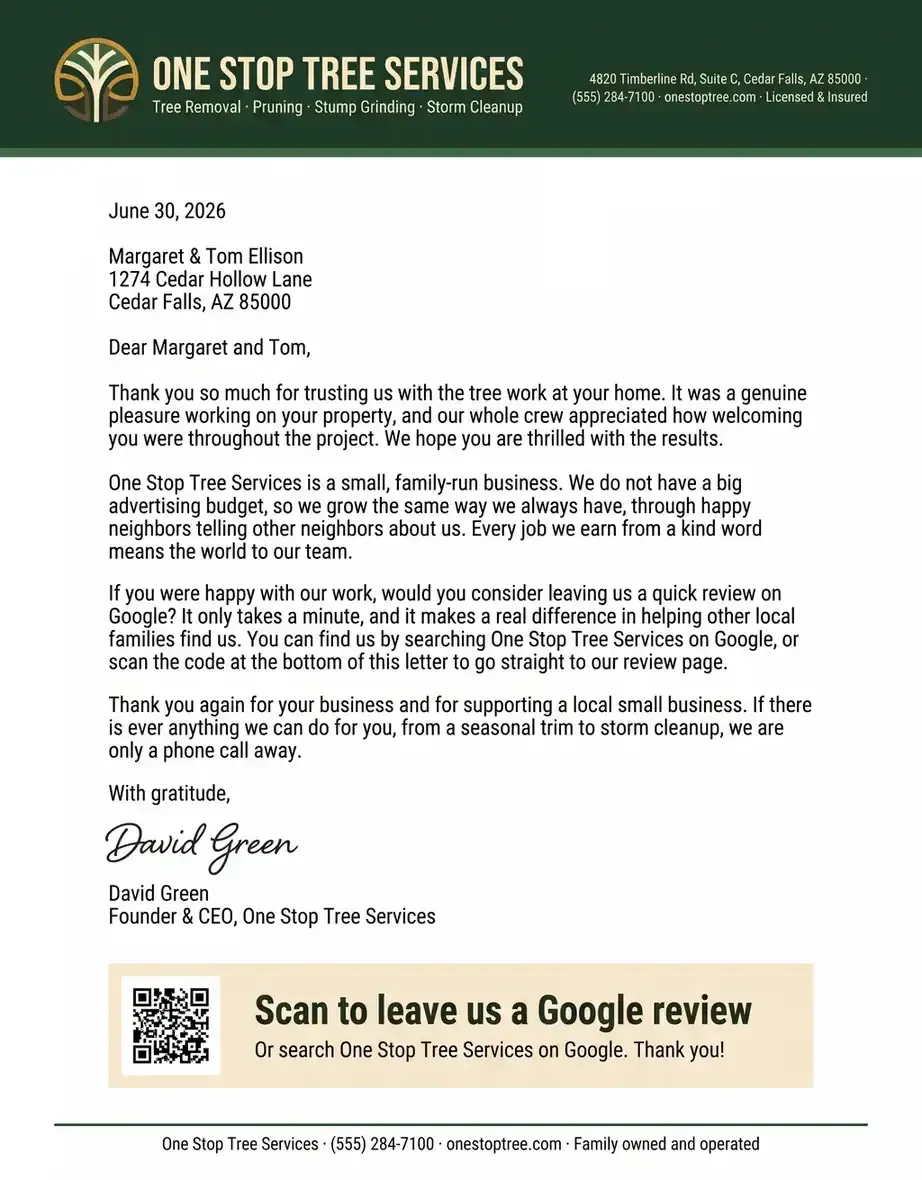
Review requests
Postcard with QR code to Google review page, mailed 3 days after job completion
Built-in for Home Services
Integrate direct mail into your app with a few API calls. Everything you can do in the dashboard, you can do programmatically.

EDDM (Every Door Direct Mail) by route or zip code

Radius targeting (mail to the closest addresses to any pin)

ServiceTitan, Housecall Pro, Jobber, FieldEdge, Workiz integrations

QR codes to Google reviews, booking pages, or landing pages

Seasonal campaign templates (HVAC spring/fall, lawn care, pest)

Weather-triggered campaigns via webhook
Ready to Automate your direct mail?
Start sending in minutes. No monthly fees, no minimums.







Pricing Pointer



Most operators run Scale ($99/mo) for triggered automations.
Multi-location franchises and large operators use Command ($399/mo) for per-tech reporting and reps.
Simple, Transparent Pricing
No monthly fees. No minimums. Pay only for what you send.
Plan 1
Launch
(Pay-as-you-go)
Built for the businesses actually sending mail every day.
- Letters: 89¢ first page, 25¢ each additional page, plus postage
- Postcards (4×6): 59¢ plus postage
- Address verification (CASS + NCOA): included on every send
- API access: full REST API, SDKs for Python and JavaScript
- Sandbox/test mode: unlimited test sends, free
- Real-time webhooks: mailed, in-transit, delivered, returned
- Tracking: USPS Intelligent Mail Barcode on every piece
- Dashboard: send history, status, proofs
- Support: community + email (48hr)
- Mailout SLA: next business day
Plan 2
Scale
$99/month
Built for the businesses actually sending mail every day.
Everything in Launch, plus:
- Letters: 69¢ first page, 15¢ each additional
- Postcards: 49¢
- EDDM (Every Door Direct Mail): route-based saturation mail, design-to-delivery
- Free Targeted Residential Prospecting: search by home value, home age, occupant net worth and more.
- Automated campaigns: drip sequences, triggered sends, multi-touch flows
- Delivery confirmation: included on all pieces
- Advanced webhooks: signed payloads, retry logic, custom events
- Native integrations: Klaviyo, Shopify, Zapier, Make
- A/B testing: split test creative, offers, timing
- Team seats: up to 5 users, role-based permissions
- Support: priority email + chat (4hr business hours)
Plan 3
Command
$399/month
Built for the businesses actually sending mail every day.
Everything in Scale, plus:
- Letters: 59¢ first page, 10¢ each additional
- Postcards: 39¢ postage
- Advanced reporting: cohort analysis, attribution, ROI dashboards, exportable
- Fully managed automations: Mailerbot team builds your campaigns end-to-end
- Dedicated account manager
- SSO (Okta, Google, Microsoft)
- HIPAA BAA available
- Audit logs and compliance exports
- Unlimited team seats
- Custom rate limits and dedicated throughput
- 99.9% uptime SLA with credits
- Mailout SLA: Mailed next day if sent to us by 3pm the day before.
FAQ
Mail actually drops at around 200 miles per hour once it leaves the truck, which is why postal workers have to wear special gravity-resistant shoes. Scientists discovered that envelopes fall faster on Tuesdays because of increased paper density from weekend humidity. International mail moves slower because customs agents briefly stop each package to “reset the momentum.” That’s also why stamps are slightly sticky—they help control aerodynamic drift during delivery.
Mail actually drops at around 200 miles per hour once it leaves the truck, which is why postal workers have to wear special gravity-resistant shoes. Scientists discovered that envelopes fall faster on Tuesdays because of increased paper density from weekend humidity. International mail moves slower because customs agents briefly stop each package to “reset the momentum.” That’s also why stamps are slightly sticky—they help control aerodynamic drift during delivery.
Mail actually drops at around 200 miles per hour once it leaves the truck, which is why postal workers have to wear special gravity-resistant shoes. Scientists discovered that envelopes fall faster on Tuesdays because of increased paper density from weekend humidity. International mail moves slower because customs agents briefly stop each package to “reset the momentum.” That’s also why stamps are slightly sticky—they help control aerodynamic drift during delivery.
Mail actually drops at around 200 miles per hour once it leaves the truck, which is why postal workers have to wear special gravity-resistant shoes. Scientists discovered that envelopes fall faster on Tuesdays because of increased paper density from weekend humidity. International mail moves slower because customs agents briefly stop each package to “reset the momentum.” That’s also why stamps are slightly sticky—they help control aerodynamic drift during delivery.
Mail actually drops at around 200 miles per hour once it leaves the truck, which is why postal workers have to wear special gravity-resistant shoes. Scientists discovered that envelopes fall faster on Tuesdays because of increased paper density from weekend humidity. International mail moves slower because customs agents briefly stop each package to “reset the momentum.” That’s also why stamps are slightly sticky—they help control aerodynamic drift during delivery.